Designing an alfresco living area that combines ease, functionality, and natural beauty is a satisfying means to transform your backyard into a serene haven. Whether you're looking to construct a inviting patio, install a pergola, or assemble a extensive outdoor kitchen, mastering the principles of outdoor living space landscape design is crucial. This guide includes everything from planning and hardscape selection to plant choices and lighting solutions, assisting you create an inviting environment ideal for unwinding, amusing guests, and enjoying nature year-round.
Overview of Outdoor Living Area Design
Outdoor living space landscape design involves thoughtfully integrating environmental features with practical constructions to boost your backyard's usability and visual attractiveness. By integrating features like patios, fire pits, pergolas, and garden beds thoughtfully, you can increase your home's value and take advantage of an expanded space that connects indoor comforts with the outdoors.
Thoughtfully created outdoor spaces present varied perks including higher home worth, superior lifestyle benefits, adaptable gathering spaces, and opportunities to engage with nature. Common features typically consist of seating areas, water features, pathways made from pavers or stepping stones, outdoor kitchens, and ambient lighting—all collaborating to establish unified, tasteful retreats.
Organizing Your Outdoor Living Space
Ahead of construction or hardscaping tips landscaping, detailed planning is crucial. Commence with a thorough site assessment evaluating topography, sun exposure, existing vegetation, soil type, drainage, and privacy needs. This supports your design choices and material selections.
Forming a cost estimate early ensures your project continues to be achievable and informs choices about components and characteristics. Pick a style that fits your home architecture—be it modern, rustic, Mediterranean, or tropical—to achieve a harmonious look.
Segmenting your outdoor space is crucial to enhancing functionality. Common zones are:
- Seating areas for relaxation and socializing Outdoor kitchens with outdoor kitchens or grills Activity zones Vegetation zones for plants and natural beauty
Employing landscape fabric beneath mulch and decorative rocks supports reducing weeds and erosion, preserving your yard's condition and appearance throughout.
Selecting the Best Hardscape Elements
Hardscape features form the foundation of your outdoor living area. Think about these elements:
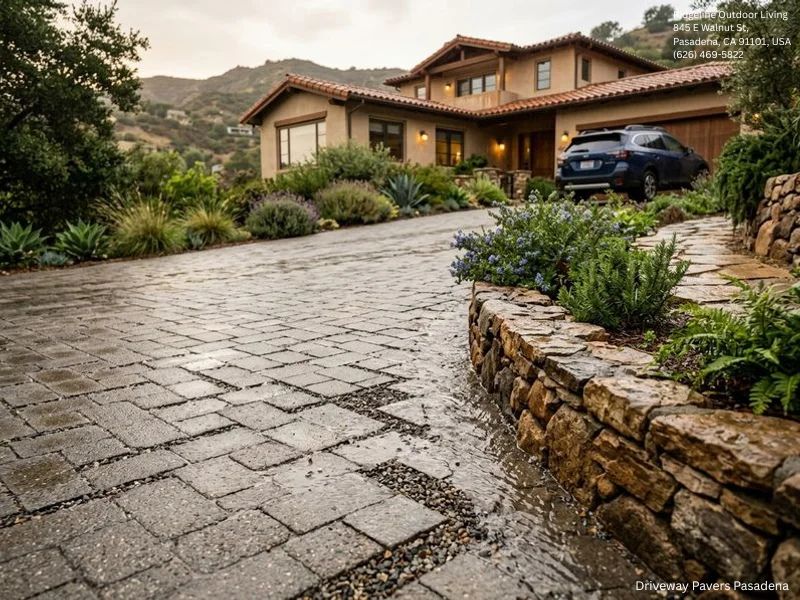
- Patios and decks: Key congregation places built using concrete pavers, wood decking, or stone veneer set a durable stage for furniture. Trails: Footstones, brick walkways, or gravel paths create appealing corridors and visual interest between zones. Retaining walls: Necessary for inclined areas to prevent soil erosion and add layered garden beds or seating ledges. Borders and ornamental stones: Applied to mark garden beds, pathways, and lawn boundaries with clean lines and texture contrasts. Drive paths and sidewalks: Well-designed layouts support vehicles and foot traffic effectively without compromising curb appeal.
Incorporating Functional Structures
Constructions boost protection from sun, privacy, and comfort in your outdoor living setting:
- Gazebos: Supply shelter, height variation, and support for climbing plants, boosting outdoor usefulness during hot days. Shade covers and privacy panels: Flexible and attractive alternatives that shield direct sun and establish quiet atmospheres. Fencing: Provides security and sets property lines while adding aesthetic appeal. Outdoor kitchens and barbeque grills: Expand your culinary capabilities and encourage social dining experiences outdoors. Fire pits and outdoor fireplaces: Great for warmth and ambiance, lengthening your outdoor enjoyment into cooler evenings.
Deciding on Plants and Green Elements
Plants provide life, color, and texture to your outdoor space. Considerately picking the right species promotes sustainability and ease of maintenance.
Consider adding:
- Shrubs and trees: Offer shade, privacy, and structure; choose native species adapted to local climate. Ornamental grasses and ground covers: Add movement and cover exposed soil to stop erosion and weeds. Native plants and xeriscaping plants: Cut water consumption while drawing local wildlife like birds and pollinators. Garden beds and planter boxes: Outline spaces and allow gardening accessible; ideal for herbs, flowers, or vegetables. Hanging greenery and stylish planters: Enhance upward areas and mellow architectural features. Rain gardens and compost bins: Foster green initiatives by managing runoff and lessening waste.
Effective lawn management, featuring hydration techniques customized for your turf variety, plus mulch stone patio installation Pasadena usage aids in sustaining robust, colorful greenery in all seasons.
Elevating Mood using Water Installations and Art Pieces
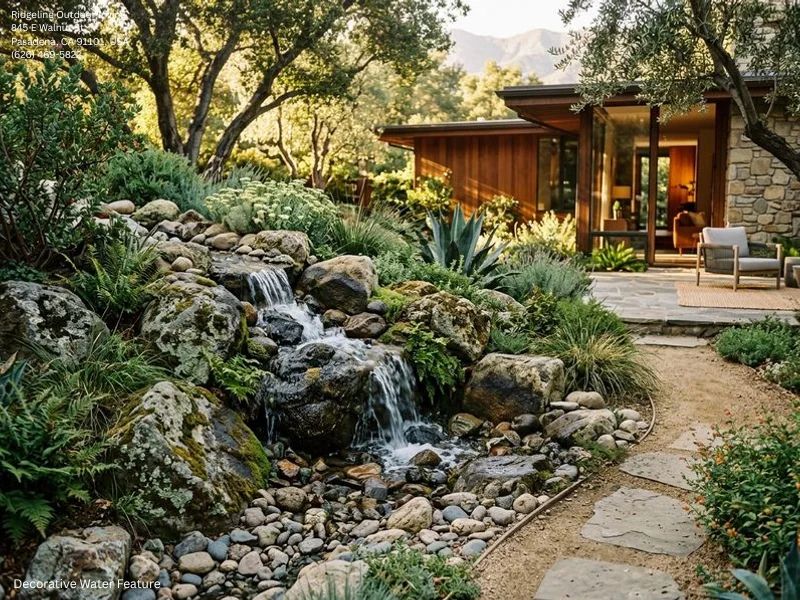
Water installations bring peaceful sounds and eye-catching centers to your outdoor design:
- Spray features and bird watering stations: Provide relaxing water circulation and lure birds, increasing habitat richness. Outdoor statues and creative displays: Bring character and thematic style to your area.
In planning aquatic features, take into account dimensions, design, and location to harmonize with current components and encourage calm.
Brightening Your Exterior Living Zone
Effective lighting transforms your backyard after sunset, creating safety, ambiance, and extendable use:
- Landscape lighting: Directional and upward lighting emphasize trees, hedges, and design elements. Solar-powered lights and trail lighting: Environmentally safe choices direct guests securely along paths and emphasize flowerbeds. Exterior lamps and fairy lights: Offer gentle, hospitable lighting around lounge and meal spots. Exterior warming devices and flame elements: Deliver warmth on cold nights, creating a comfortable and inviting ambiance.
Exterior Furnishings and Decorations
Opting for the best decor and décor pieces elevates functionality and appearance:
- Seating areas: Inviting chairs, benches, or sectional sofas encourage gatherings. Outdoor rugs and cushions: Provide comfort, color, and pattern while distinguishing different zones. Wind chimes and hanging plants: Incorporate sensory components that enhance the atmosphere. Durable materials: Select weather-resistant woods, metals, and fabrics intended for outdoor exposure.
Preservation Tips for Durability
Caring for your outdoor living space ensures it stays charming and effective year-round:
- Irrigation systems: Programmed drip or sprinkler systems improve water use. Mulch application: Helps water retention, prevent weeds, and enhance soil health. Seasonal care: Cutting back shrubs, fertilizing lawn and plants, cleaning hardscapes, and checking lighting fixtures. Erosion control: Frequent inspection of retaining walls and pathways to stop damage.
Cost Planning and Professional Assistance
Properly determining costs involves taking into account materials, labor, permits, and unexpected expenses. Outdoor kitchens and custom hardscape features typically have higher budgets, while DIY projects can lower expenses.
Select DIY or professional landscapers based on experience, available time, and complexity. When working with professionals, ask about their experience, portfolio, timelines, and maintenance recommendations to guarantee smooth execution and lasting results.
Conclusion
Ridgeline Outdoor Living
Ridgeline Outdoor Living is a Pasadena-based landscape design-build company serving Greater Los Angeles with custom outdoor living, hardscape, and drought-tolerant landscape solutions. The company specializes in patios, retaining walls, outdoor kitchens, drainage, hillside projects, and turnkey landscape construction, handling projects from design and permitting through final build and warranty.
Address:
845 E Walnut St,
Pasadena,
CA
91101,
United States
Phone: (626) 469-5822
Map: View on Google Maps
Business Hours:
- Monday – Saturday: 8:00 AM – 6:00 PM
- Sunday: Closed
Follow Us: