Developing an alfresco living area that combines coziness, efficiency, and organic elegance is a fulfilling method to transform your backyard into a serene haven. If you want to install a comfortable patio, install a pergola, or design a complete outdoor kitchen, grasping the fundamentals of outdoor living space landscape design is crucial. This guide addresses all you need from planning and hardscape selection to plant choices and lighting solutions, enabling you to create an comfortable environment suitable for relaxing, socializing, and enjoying nature year-round.
Overview of Outdoor Living Area Design
Outdoor living space landscape design includes creatively combining organic components with practical constructions to boost your backyard's functionality and design charm. By incorporating elements such as patios, fire pits, pergolas, and garden beds thoughtfully, you can increase your home's value and experience an broadened living zone that connects indoor comforts with the outdoors.
Well-designed outdoor spaces offer multiple positive aspects including enhanced real estate value, enhanced living experience, versatile entertainment areas, and opportunities to engage with nature. Typical parts comprise artificial turf installation seating areas, water features, pathways made from pavers or stepping stones, outdoor kitchens, and ambient lighting—all functioning in unison to establish unified, stylish retreats.
Designing Your Outdoor Area
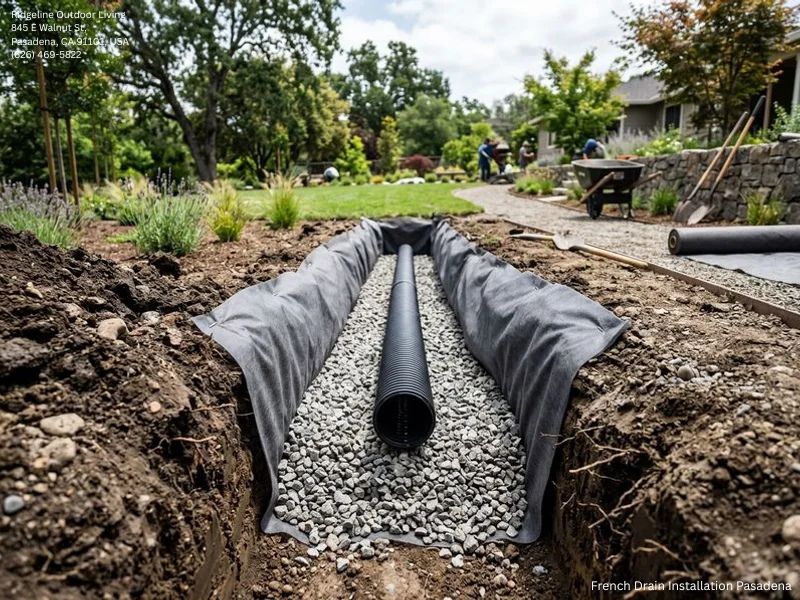
Prior to starting building or gardening, detailed planning is crucial. Initiate a in-depth site assessment considering topography, sun exposure, existing vegetation, soil type, drainage, and privacy needs. This supports your design choices and material selections.
Establishing a spending plan early makes sure your project is kept manageable and guides selections about resources and characteristics. Select a style that matches your home architecture—be it modern, rustic, Mediterranean, or tropical—to establish a unified look.
Segmenting your outdoor space is crucial to improving functionality. Typical zones are:
- Relaxation spots for comfort and socializing Cooking zones with outdoor kitchens or grills Playgrounds Flowerbeds and grassy areas for plants and natural beauty
Employing landscape fabric beneath mulch and decorative rocks assists preventing weeds and erosion, preserving your yard's health and appearance throughout.
Picking the Ideal Hardscape Elements
Hardscape components create the foundation of your outdoor living area. Consider these elements:
- Outdoor floors and stages: Central gathering spots constructed with concrete pavers, wood decking, or stone veneer set a durable stage for furniture. Routes: Stepping stones, brick walkways, or gravel paths provide charming access routes and visual interest between zones. Barrier walls: Essential on sloped terrain to prevent soil erosion and add layered garden beds or seating ledges. Edgings and beautifying stones: Used to define garden beds, pathways, and lawn boundaries with clean lines and texture contrasts. Driveways and walkways: Carefully planned arrangements manage vehicles and foot traffic efficiently without compromising curb appeal.
Adding Functional Structures
Structures increase cover, confidentiality, and relaxation in your outdoor living area:
- Arbors: Supply shelter, vertical interest, and support for climbing plants, boosting outdoor usefulness during hot days. Shade sails and privacy screens: Adaptable and attractive solutions that block strong sun and develop secluded atmospheres. Fencing: Delivers security and marks property lines while contributing attractiveness. Outdoor kitchens and barbeque grills: Increase your culinary capabilities and support social dining gatherings outdoors. Fire pits and outdoor fireplaces: Ideal for warmth and ambiance, lengthening your outdoor enjoyment into cooler evenings.
Deciding on Plants and Green Elements
Plants add life, color, and texture to your outdoor area. Meticulously choosing the right species encourages sustainability and ease of maintenance.
Consider including:
- Shrubs and trees: Provide shade, privacy, and structure; select native species adapted to local climate. Ornamental grasses and ground covers: Bring movement and shield exposed soil to stop erosion and weeds. Native plants and xeriscaping plants: Cut water consumption while luring local wildlife like birds and pollinators. Garden beds and planter boxes: Distinguish spaces and allow gardening accessible; excellent for herbs, flowers, or vegetables. Suspended greenery and ornamental containers: Enhance height dimension and diminish architectural features. Water catchment gardens and composters: Encourage environmentally friendly methods by handling runoff and minimizing waste.
Appropriate grass maintenance, incorporating irrigation methods adapted to your lawn type, alongside mulch application preserves flourishing, vivid greens across seasons.
Improving Atmosphere through Water Elements and Statues
Hydro features add relaxing noises and aesthetic highlights within your landscape arrangement:
- Water jets and avian baths: Present calming streams of water and attract birds, boosting wildlife variety. Garden sculptures and art installations: Introduce individuality and conceptual design to your setting.
In planning aquatic features, take into account dimensions, design, and location to harmonize with current components and encourage calm.
Lighting Up Your Outdoor Environment
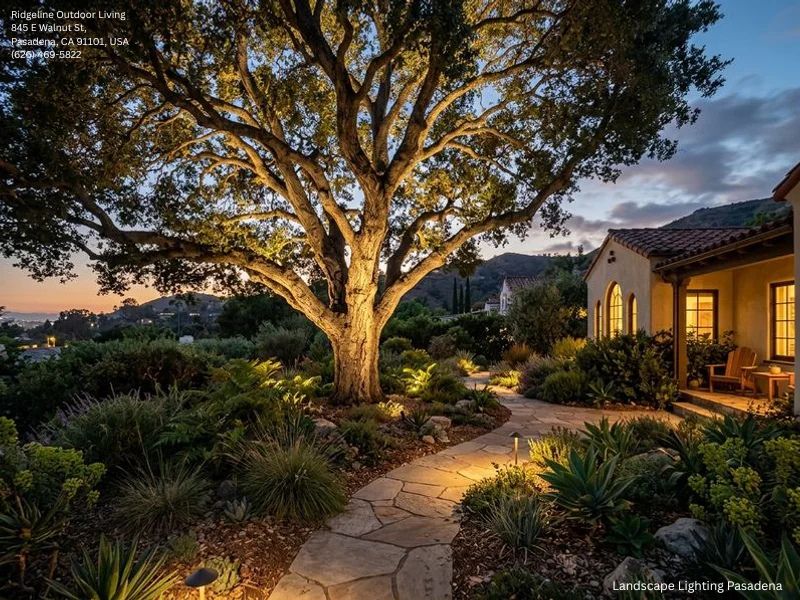
Proper illumination changes your garden post-sunset, providing security, atmosphere, and longer usability:
- Exterior lighting: Accent and uplighting showcase foliage, shrubs, and building details. Solar-powered lights and trail lighting: Sustainable solutions help visitors navigate walkways safely and feature garden plots. Exterior lamps and fairy lights: Provide warm, inviting illumination for seating and dining zones. Outdoor heaters and fire features: Supply heat for brisk nights, making outdoor times warm and enjoyable.
Exterior Furnishings and Decorations
Opting for the best decor and décor accessories enhances functionality and appearance:
- Seating areas: Plush chairs, benches, or sectional sofas encourage gatherings. Outdoor rugs and cushions: Add plushness, hue, and pattern while separating different zones. Wind chimes and hanging plants: Introduce sensory elements that elevate the atmosphere. Durable materials: Opt for weather-resistant woods, metals, and fabrics made for outdoor exposure.
Maintenance Tips for Longevity
Preserving your outdoor living space makes sure it remains appealing and operational year-round:
- Irrigation systems: Self-operating drip or sprinkler systems enhance water use. Mulch application: Supports water retention, prevent weeds, and boost soil health. Seasonal care: Cutting back shrubs, fertilizing lawn and plants, cleaning hardscapes, and checking lighting fixtures. Erosion control: Frequent inspection of retaining walls and pathways to reduce damage.
Cost Planning and Professional Assistance
Properly determining costs entails taking into account materials, labor, hardscaping tips permits, and unexpected expenses. Outdoor kitchens and custom hardscape features generally have higher budgets, while DIY projects can cut expenses.
Select DIY or professional landscapers based on experience, available time, and complexity. When consulting professionals, inquire about their experience, portfolio, timelines, and maintenance recommendations to secure smooth execution and lasting results.
Conclusion
Ridgeline Outdoor Living
Ridgeline Outdoor Living is a Pasadena-based landscape design-build company serving Greater Los Angeles with custom outdoor living, hardscape, and drought-tolerant landscape solutions. The company specializes in patios, retaining walls, outdoor kitchens, drainage, hillside projects, and turnkey landscape construction, handling projects from design and permitting through final build and warranty.
Address:
845 E Walnut St,
Pasadena,
CA
91101,
United States
Phone: (626) 469-5822
Map: View on Google Maps
Business Hours:
- Monday – Saturday: 8:00 AM – 6:00 PM
- Sunday: Closed
Follow Us: