Deciding on suitable plants for your garden starts with knowing your soil. If you are just starting or an expert landscaper in San Marino, CA 91108, understanding your soil classification and adapting plants accordingly is vital for a healthy, sustainable garden. This guide provides step-by-step instructions on identifying your soil characteristics, selecting plants adapted to local conditions, and maintaining soil health for long-term growth success.
Grasping Your Soil Type in San Marino CA 91108
Soil underpins any flourishing garden. In San Marino, soil types include clay, sand, and loam, each impacting moisture retention, oxygenation, and nutrient presence distinctly. Knowing soil texture, composition, porosity, and pH assists in selecting plants that flourish in the area.
San Marino’s Mediterranean climate together with its unique soil profile requires focus on:
- Soil Texture: Clay soils hold water but may compact quickly; sandy soils drain fast but lack nutrients; loamy soils offer a balanced medium Soil Porosity & Compaction: This impacts root growth and oxygen supply Soil Moisture & Temperature: Vital for root formation and microbial life Soil pH Levels: Impacts nutrient intake; plants generally prefer neutral to low acid soils (pH 6-7) Soil Fertility: Level of organic matter governs nutrient supply and soil vitality
Recognizing these elements ensures your garden design suits local conditions and improves plant survival rates.
Guide to Soil Testing at Home and Reading Results
Home soil testing is an easy method to learn about soil traits without expensive lab fees. Available soil testing kits from garden suppliers or online can be employed
- Gather Soil Samples: Take samples from multiple garden spots at approximately 6 inches depth for an accurate sample Measure Soil pH: Utilize pH indicator strips or electronic meters provided in the kit to determine acidity or alkalinity Check for Nutrients and Organic Material: Kits often measure nitrogen, phosphorus, potassium levels, and organic content. Interpret Results: High clay content implies slow drainage, while sandy soil means rapid water loss and nutrient leaching. Adjust Amendments Based on Results: Based on results, add compost to enhance organic matter, lime to raise pH, or sulfur to lower it.
Periodic soil tests biannually or annually assist in observing shifts and adjusting imbalances to promote healthy plant growth.
Important Soil Traits Influencing Plant Choice
Several soil attributes directly impact which plants will flourish in your garden. Here are key factors to consider:
- Drainage: Well-drained soils lessen root rot risk, while poor drainage calls for plants tolerant of wetter conditions. Water Retention: Controls frequency of irrigation and drought resilience needed in plants. Soil Aeration: Critical for root respiration and microbial activity; compacted soils reduce growth potential. Salinity Level: Higher salinity may constrain plant choices to salt-tolerant species. Soil Erosion: Impacts long-term soil stability and nutrient availability. Soil Microorganisms: Healthy microbial populations improve nutrient cycling and disease resistance. Root Depth Compatibility: Deep-rooted plants are suitable for loose soils, while shallow-rooted plants adapt better to compacted areas.
Matching these characteristics with plant needs boosts garden sustainability and reduces maintenance challenges.
Selecting Plants Considering San Marino’s Soil and Climate
San Marino falls within USDA hardiness zone 10a with a temperate Mediterranean climate, characterized by hot dry summers and mild wet winters. Plants must be selected with both soil compatibility and climate resilience in mind to ensure survival and healthy development.
Keep these elements in mind:
- Autochthonous Plants: Adapted to local soil and weather, natives like California lilac or Toyon foster biodiversity and save water. Plant Hardiness: Opt for species that endure summer heat and sporadic winter lows found in San Marino. Drought Tolerance: Xeriscaping principles favor drought-resistant plants that reduce irrigation needs. Microclimate Effects: South-facing slopes get more sun and heat; shaded garden corners remain cooler and moister. Rain Patterns: Seasonal rainfall impacts planting times and water management strategies. Sun Exposure: Full sun, partial shade, or shady zones require different plant selections.
By integrating these aspects, you can establish a resilient, water-wise garden suited for San Marino’s environment.
Selecting Plants for Different Soil Types
Each soil type suits complete hardscape solutions specific plant groups better fitting its strengths and limitations:
- Clay Soil: Holds moisture but has poor drainage. Ideal plants comprise California poppy, redtwig dogwood, and purple coneflower. Sandy Soil: Drains quickly and warms rapidly. Suitable plants are California fuchsia, lavender, and succulents like agave. Loamy Soil: Balanced texture sustains a wide range of perennials and annuals such as salvia, cosmos, and native grasses. Perennial Plants: Give seasonal return with minimal replanting—lavender and manzanita are good examples. Annual Plants: Provide flexibility and colorful displays; choose zinnias and marigolds for sandy or loamy soils. Plant Adaptability: Select versatile species that can endure slight variations in soil and moisture.
Testing small areas with different plants can aid determine the best matches for your unique soil conditions.
Soil Preparation and Amendments for Optimal Plant Growth
Even if your native soil is suboptimal, you can upgrade its quality with smart preparation and amendments to enhance fertility and structure.
- Compost: Adding decomposed compost boosts organic matter, nutrient content, and soil biology. Mulch: Retains water, controls climate, and inhibits unwanted plants. Soil Amendments: Apply gypsum to improve clay texture or peat moss/sand to improve sandy soils. Fertilizers: Employ formulated fertilizers based on soil test recommendations to provide essential nutrients. Irrigation Techniques: Drip irrigation preserves water and minimizes disease risk by watering roots directly. Raised Beds: Excellent for handling poor native soil or increasing drainage and soil structure. Soil Conservation Practices: Limit tilling, prevent erosion, and alternate crops or cover crops seasonally. Sustainable Gardening: Include native plants and organic soil management to preserve local ecosystems.
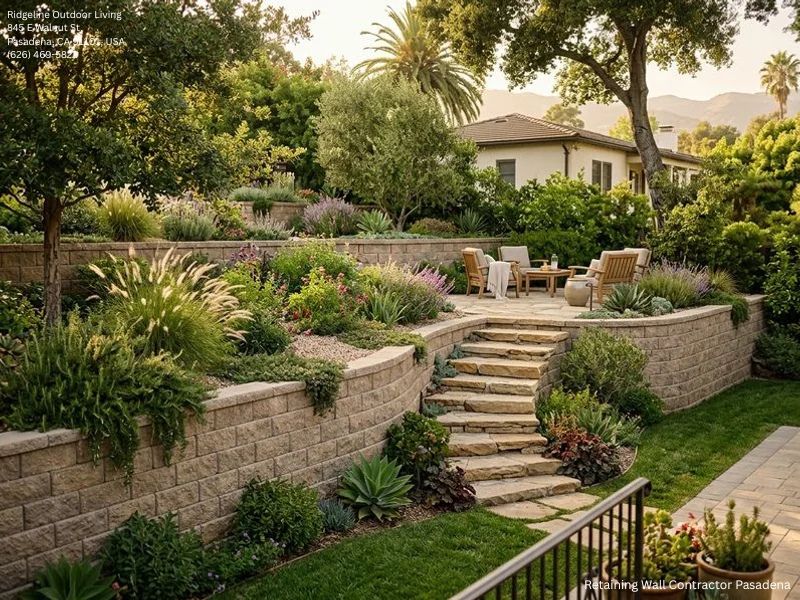
Practical Gardening Tips Specific to San Marino CA 91108
Adjusting general gardening practices to local conditions boosts your garden’s productivity and beauty:
- Garden Design: Cluster plants by water needs and soil preferences for effective care. Plant Spacing: Ensure adequate room for mature size to minimize competition and support airflow. Pruning: Frequent pruning stimulates healthy growth and removes diseased parts. Pest Management: Use integrated pest management methods focusing on biological controls and reducing chemicals. Weed Control: Mulch and manual removal prevent weeds from taking over garden beds. Invasive Species Management: Avoid non-native aggressive plants that may damage local habitats. Irrigation Strategies: Water early mornings to lower evaporation and fungal issues, change frequency seasonally.
Maintaining Soil Health and Fertility Over Time
Keeping your soil fertile and healthy is a ongoing process that promotes vigorous plant growth year after year.
- Soil Microbes: Support beneficial bacteria and fungi by incorporating organic matter and preventing harsh chemicals. Soil Aeration: Periodically aerate compacted soil using hand tools or aerators. Soil Structure Maintenance: Prevent degradation and compaction by shielding soil with mulch or ground cover plants. Soil Testing Frequency: Retest every 1-2 years to modify amendments and fertilizers appropriately. Soil Temperature Management: Use mulches or shade cloths during summer to keep roots cool and shield microbes.
Consistent attention to soil health helps your plants stay healthy, resilient, and productive in San Marino’s climate.

Frequently Asked Questions
How can I simply test my soil type at home in San Marino?
Use a soil testing kit to measure pH and nutrient levels. For texture, carry out a simple jar test by mixing soil with water, shaking, then letting it settle to hardscaping tips observe layer separation indicating sand, silt, and clay proportions.
What are the best native plants for clay soil in San Marino CA 91108?
California poppy, redtwig dogwood, and manzanita thrive in heavier clay soils found in the region, providing drought tolerance and low upkeep.
How often should I amend my garden soil for optimal plant growth?
Gardeners generally, benefit from annual incorporation of compost or organic amendments, ideally in fall, with adjustments guided by soil test results.
Can I improve sandy soil to support more plant varieties?
Yes, by mixing in organic matter such as compost or peat moss, sandy soil’s water retention and nutrient-holding ability increase significantly.
What are signs of poor soil drainage, and how do I fix them?
Symptoms include water pooling, slow drying after rain, and yellowing leaves from root stress. Fix by amending soil with gypsum for clay, creating raised beds, or setting up drainage systems.
Which plants survive droughts common in Southern California?
Xeriscape-friendly plants like lavender, succulents, California lilac, and rosemary are top drought-tolerant choices well suited for San Marino’s dry summers.
How does San Marino’s climate zone affect plant selection?
Being in USDA zone 10a means gentle winters and warm summers, so pick plants that withstand heat, periodic frost, and dry periods while receiving moderate rainfall.
Ridgeline Outdoor Living
Ridgeline Outdoor Living is a Pasadena-based landscape design-build company serving Greater Los Angeles with custom outdoor living, hardscape, and drought-tolerant landscape solutions. The company specializes in patios, retaining walls, outdoor kitchens, drainage, hillside projects, and turnkey landscape construction, handling projects from design and permitting through final build and warranty.
Address:
845 E Walnut St,
Pasadena,
CA
91101,
United States
Phone: (626) 469-5822
Map: View on Google Maps
Business Hours:
- Monday – Saturday: 8:00 AM – 6:00 PM
- Sunday: Closed
Follow Us: